
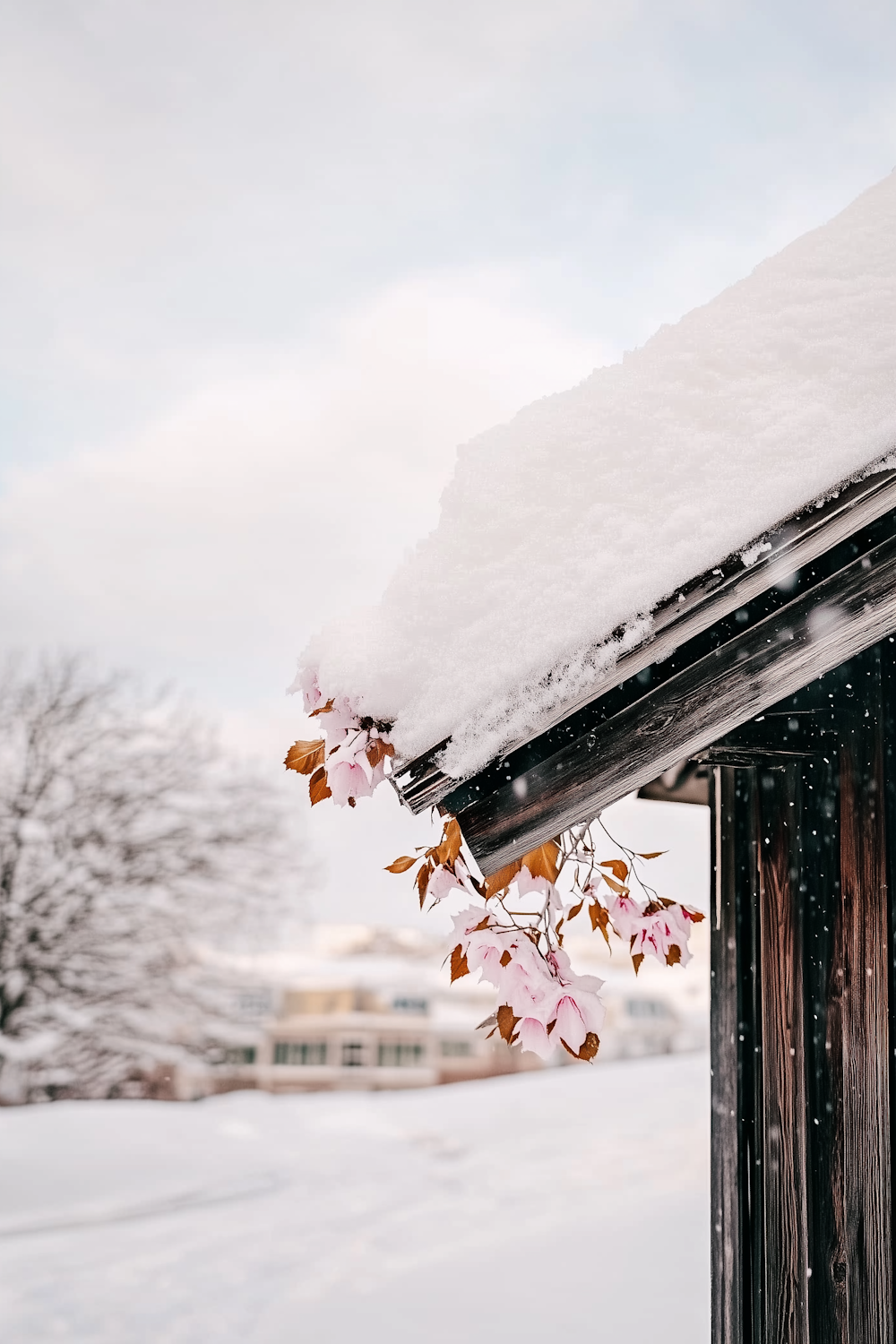
Ice dams form when heat escaping from your attic melts snow on the upper roof and the water refreezes at the colder eaves. The ridge of ice traps more meltwater behind it, which backs up under the shingles and leaks into walls and ceilings. Proper insulation, balanced ventilation and ice and water shield are the long-term fix.
Why are ice dams common in New Jersey?
New Jersey winters swing above and below freezing again and again. A sunny 38 degree afternoon followed by a 20 degree night is perfect ice dam weather, especially on older homes with limited attic insulation.
What damage can ice dams cause?
Water stains and peeling paint on ceilings and exterior walls
Wet insulation that loses its ability to keep your home warm
Rotted roof decking, fascia and soffits
Gutters bent or torn off by the weight of the ice
Mold growth inside walls and the attic
How do you prevent ice dams?
Air seal and insulate the attic floor so heat stays in your living space instead of warming the roof.
Balance your ventilation with soffit intake and ridge exhaust to keep the roof deck cold.
Install ice and water shield along the eaves and valleys whenever the roof is replaced.
Keep gutters clear before winter so meltwater has somewhere to go.
Use a roof rake from the ground to pull fresh snow off the lowest few feet of the roof.
What should you do if you already have an ice dam?
Never chip at the ice with a hammer or climb onto an icy roof. Call a professional to steam the ice away safely and check for hidden water damage. Top 1 Roofing offers emergency roof repair around the clock all winter long.
Questions about your own roof?
Our team gives free, honest advice. No pressure, ever.